
The Plague of Justinian
First historically recorded epidemic of Yersinia pestis.

Procopius of Caesarea · Public domain
The plague's severity and impact remain debated among scholars, with some asserting profound economic, social, and political effects, while others argue the impact was overstated by primary sources.
- Region
- Mediterranean Basin, Europe, Near East, Sasanian Empire, Byzantine Empire
- Causative Agent
- Yersinia pestis
- Estimated Mortality in Constantinople
- About one fifth of the population
- Named After
- Byzantine Emperor Justinian I
- First Reported Location
- Pelusium, near Suez in Egypt
Lore & Background
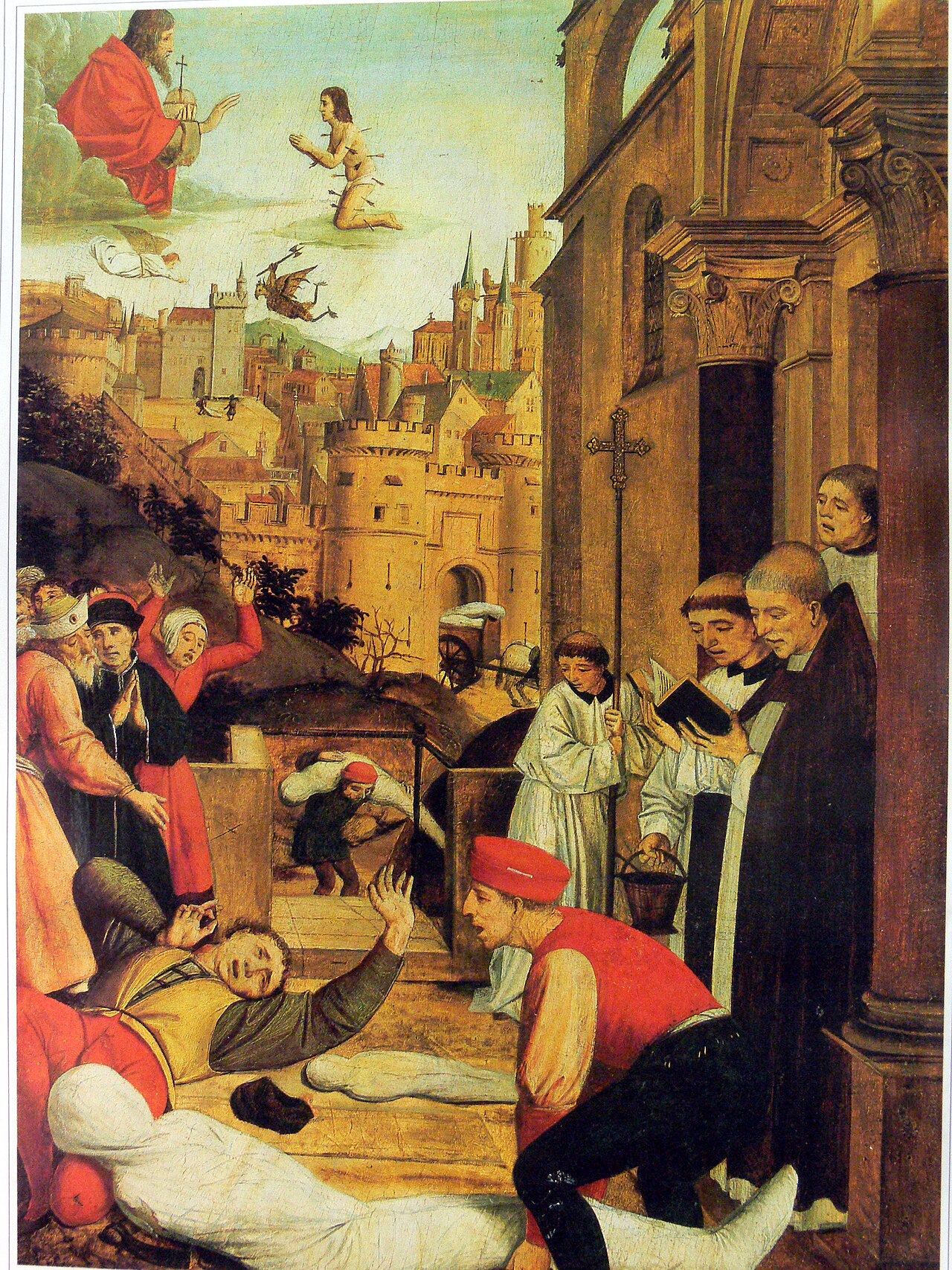
Two other first-hand reports were by the Syriac church historian John of Ephesus and by Evagrius Scholasticus, who was a child in Antioch at the time and later became a church historian. Evagrius was afflicted with the buboes associated with the disease but survived, and during the disease's four returns in his lifetime he lost his wife, a daughter and her child, other children, most of his servants, and people from his country estate. According to contemporary sources, the outbreak in Constantinople was thought to have been carried to the city by infected rats on grain ships arriving from Egypt. He noted that because there was no room to bury the dead, bodies were left stacked in the open, funeral rites were often left unattended to, and the entire city smelled like the dead.
Reader's Guide
The Plague of Justinian is the first and best known outbreak of the first plague pandemic, which continued to recur until the middle of the 8th century. The plague's long-term effects on European and Christian history were enormous: it weakened the Byzantine Empire at a critical point when Justinian's armies had nearly retaken all of Italy and the western Mediterranean coast, and the evolving conquest would have reunited the core of the Western Roman Empire with the Eastern Roman Empire. Genetic studies suggest the origin was in Central Asia, with the most basal known strains found in the Tian Shan mountain range system.
Did You Know?
- Evagrius Scholasticus, a child in Antioch at the time, survived the buboes but lost his wife, daughter, grandchild, other children, most of his servants, and people from his country estate.
Origins and Geographic Reach
The disease swept through the Sasanian Empire, the Byzantine Empire, Gaul, and even reached Britain, as evidenced by plague victims found at an early Anglo-Saxon burial site near Cambridge. Ancient and modern strains of the bacterium trace back to an ancestor found in the Tian Shan mountain ranges along the borders of Kyrgyzstan, Kazakhstan, and China, pointing to that region as the likely birthplace of the pandemic.
The Human Toll and Daily Suffering
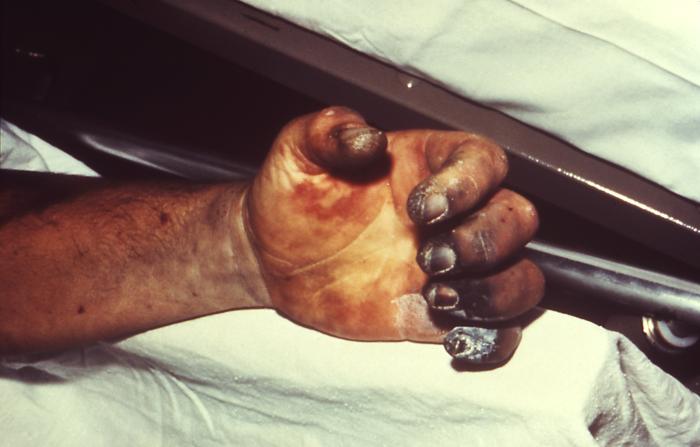
Contemporary witnesses painted a harrowing picture of life during the epidemic. Procopius, writing in a style deliberately echoing Thucydides, claimed that at the plague's peak in Constantinople, ten thousand people perished every single day, a figure whose accuracy remains uncertain. With no space left for burial, corpses were piled in the open air, funeral rites went unperformed, and the city was said to reek of decay. Evagrius Scholasticus, a child in Antioch during the first wave, later described losing his wife, a daughter, her child, other children, most of his servants, and neighbors on his country estate across four separate returns of the disease. Sufferers endured delusions, terrifying nightmares, high fevers, and painful swellings in the groin, armpits, and behind the ears, often descending into coma or death. Desperate remedies ranged from cold baths to saint-blessed powders and magic amulets, reflecting a society grappling with a foe it could neither name nor cure.
Political and Economic Aftermath
The plague struck at a moment of extraordinary imperial ambition. Justinian had poured vast resources into wars against the Vandals in Carthage and the Ostrogoths in Italy, and had invested heavily in monumental architecture such as Hagia Sophia. As the epidemic killed workers, disrupted agriculture, and shattered trade networks, tax revenues collapsed. Yet Justinian, according to Procopius's Secret History, showed no clemency toward ruined freeholders, still demanding the full annual tax including the share owed by their now-dead neighbors. Farmers abandoned their fields, grain prices soared in Constantinople, and the empire scrambled to pass new legislation to manage the flood of inheritance disputes left by those who died without wills.
Scholarly Debate and Material Evidence
Historians remain divided over the true magnitude of the Justinianic plague. One school of thought holds that as the opening episode of the first plague pandemic, it reshaped the economic, social, and political landscape of Europe and the Near East while leaving deep cultural and religious marks on Eastern Roman society. Opponents, notably Mordechai and Eisenberg, argue that primary sources exaggerated the death toll and that, while the suffering was undeniably real on a personal level, the pandemic did not produce the severe or long-lasting demographic collapse often attributed to it. Their methodology and treatment of sources have drawn criticism from other scholars.
Gallery

Frequently Asked Questions
Why is it called 'The Plague of Justinian'?
The name references Byzantine Emperor Justinian I, who was ruler during the crisis and personally fell ill from it. He is the historical figure most tightly linked to the disaster in the capital.
Why is The Plague of Justinian considered historically significant?
It marks the first known recorded epidemic of Yersinia pestis in the human historical record. The catastrophe fundamentally reshaped the political, economic, and demographic landscape of the Mediterranean and Near East for generations.
More in Great Collapses 1-20
Spotted an error? Know more?
This is a living reference — every entry is fact-audited, and reader corrections feed straight into our audit queue. Suggest an edit · See this site's audit record