
The Haitian Revolution
Successful slave rebellion that founded independent Haiti.

Miscellaneous Items in High Demand, PPOC, Library of Congress · Public domain
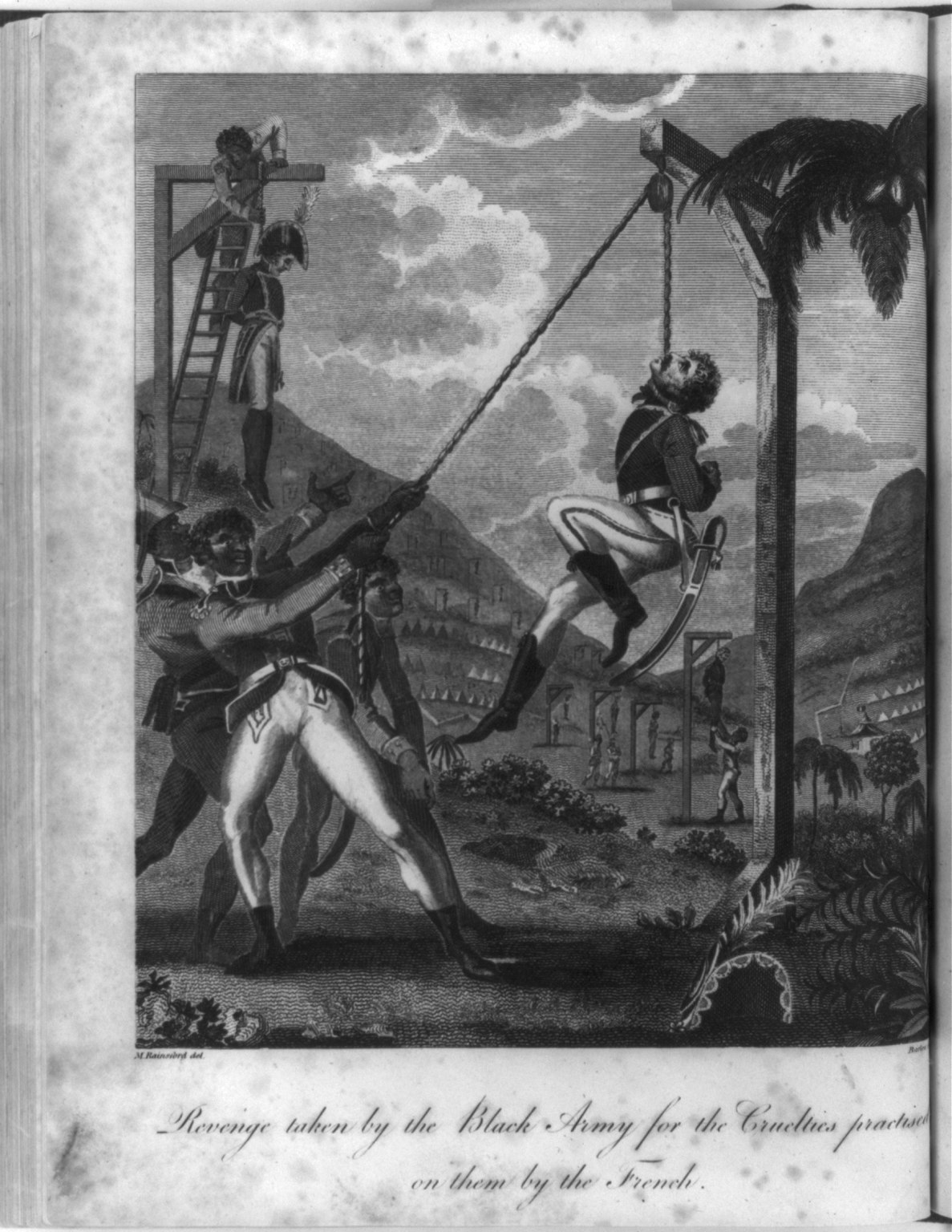
The Haitian Revolution was a successful insurrection by enslaved Africans against French colonial rule in Saint-Domingue, now the sovereign state of Haiti. It was one of the only known slave rebellions in human history that led to the founding of a state which was both free from slavery (though not from forced labour) and ruled by former captives.
- field
- Slave rebellion / War of independence
- nationality
- Saint-Domingue (later Haiti)
- known_for
- Largest slave uprising since Spartacus; founding of a state free from slavery and ruled by former captives
- prominent_general
- Toussaint Louverture
Lore & Background
The revolution began amid a slave economy in Saint-Domingue, the most profitable French colony, where sugar, coffee, cocoa, and indigo were produced by enslaved Africans under harsh conditions. Diseases such as malaria and yellow fever caused high mortality; at least 50% of slaves from Africa died within a year of arriving. The colony's rigid caste system divided white colonists, free people of color (often mixed-race), and the majority African-born slaves, who maintained their own culture, religion (Vodou), and language (Haitian Creole).
Reader's Guide
The Haitian Revolution was a defining moment in the history of the Atlantic World, and its effects on the institution of slavery were felt throughout the Americas. It challenged long-held European beliefs about alleged African inferiority and about slaves' ability to achieve and maintain their own freedom. The rebels' organizational capacity and tenacity under pressure inspired stories that shocked and frightened slave owners in the hemisphere. Compared to other Atlantic revolutions, the events in Haiti have received relatively little public attention in retrospect; historian Michel-Rolph Trouillot characterizes the historiography of the Haitian Revolution as being 'silenced' by that of the French Revolution.
Did You Know?
- The revolution was one of the only known slave rebellions in human history that led to a state free from slavery and ruled by former captives.
- At least 50% of slaves from Africa died within a year of arriving in Saint-Domingue, largely from yellow fever.
- The Kongolese at 40% were the largest African ethnic group among the slaves.
- Historian Michel-Rolph Trouillot says the historiography of the Haitian Revolution has been 'silenced' by that of the French Revolution.
The Sugar Economy and Its Human Toll
Saint-Domingue stood as the most profitable French colony in the world and one of the most lucrative European possessions of the eighteenth century. Its wealth was anchored in sugarcane, supplemented by smaller, less profitable operations in coffee, cocoa, and indigo. After French engineers constructed complex irrigation networks in the 1730s, the island—alongside Jamaica—became a primary global sugar supplier. Around six hundred vessels shipped products from the colony to Bordeaux annually, and the total value of its exports rivaled everything the Thirteen Colonies sent to Britain. A full million of France's twenty-five million inhabitants depended directly on those agricultural imports. This staggering prosperity, however, was extracted through extreme cruelty. Enslaved Africans faced malaria, yellow fever, and deliberate deprivation. Planters, calculating that most would die anyway, pushed maximum labor at minimum cost. With no legal protections, sexual violence by owners and overseers was routine, and a rigid caste hierarchy, formalized through legislation from the 1750s onward, locked every social group into its assigned role.
From Citizenship to Uprising
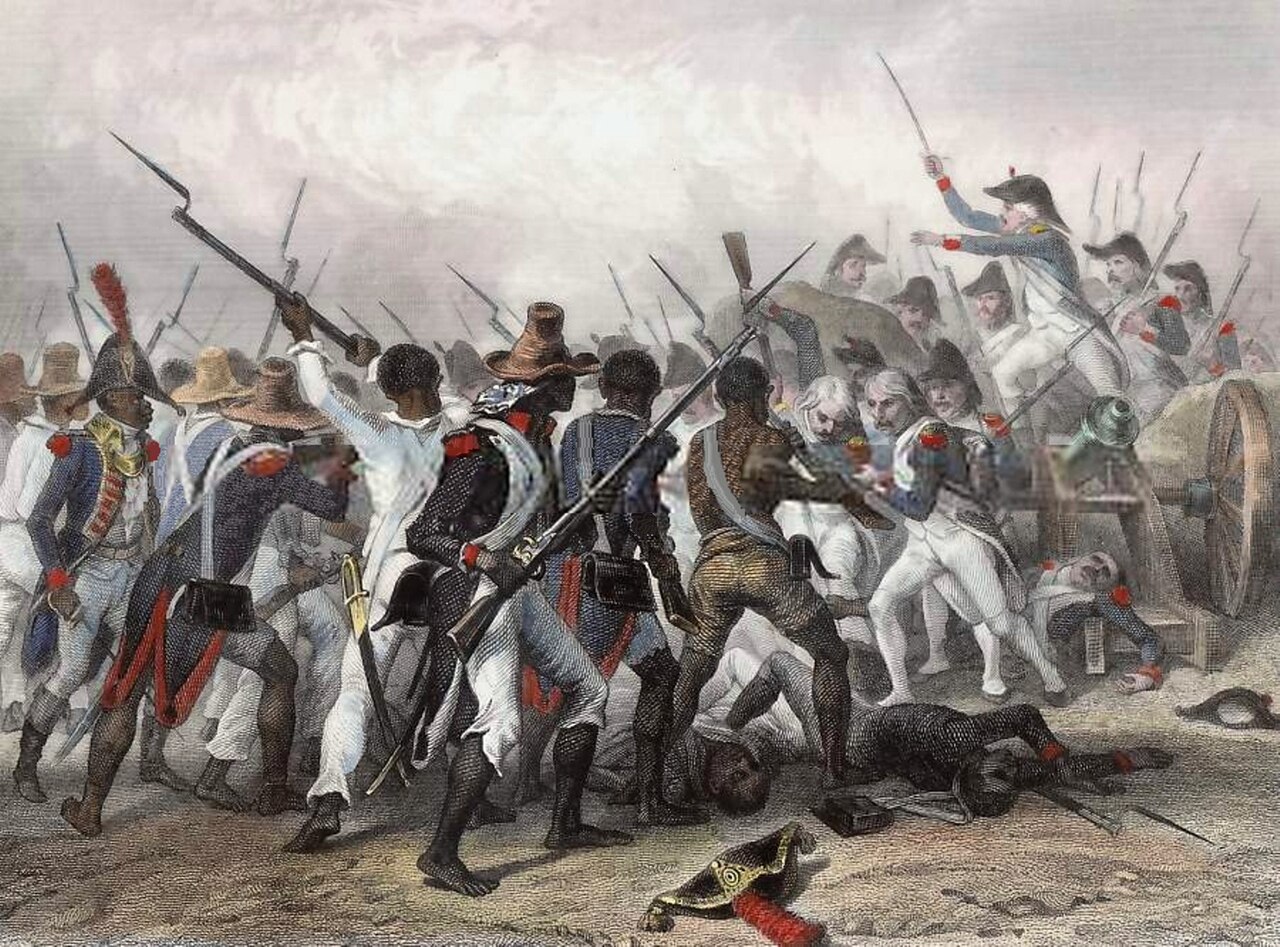
The path to liberation did not begin with a single act of defiance but with a cascade of escalating confrontations. Over the following years, the insurrection grew into a full war of independence, with the former captive Toussaint Louverture rising as the most prominent general.
Shattering the Myth of Inferiority
That state was free from slavery, though not from all forms of forced labor, and it was ruled by former captives—a reality that directly challenged long-held European beliefs about alleged African inferiority and about whether the enslaved could achieve and maintain their own freedom. The rebels' organizational capacity and tenacity under sustained pressure generated stories that shocked and frightened slave owners throughout the hemisphere. The revolution's effects on the institution of slavery rippled across the Americas, and the successful defense of the freedoms won by former slaves—carried out in collaboration with already-free people of color—demonstrated that a people could not only seize independence from white European rule but successfully hold onto the freedoms they had won.
A Revolution Written Out of History
Despite its extraordinary significance, the Haitian Revolution has received relatively little public attention in retrospect compared to other Atlantic revolutions. Historian Michel-Rolph Trouillot has characterized the historiography of the Haitian Revolution as being "silenced" by that of the French Revolution, a framing that implies the dominant narrative of the era has consistently overshadowed the transformative events unfolding on a Caribbean island. This marginalization is particularly striking given that the revolution was the largest slave uprising since Spartacus, that it produced a sovereign state ruled by formerly enslaved people, and that its consequences reverberated through the institution of slavery across the Americas. The collaboration of already-free people of color in the defense of independence, the brutal economic machinery of the sugar plantations, and the sheer scale of human suffering that made the colony so profitable—all of these dimensions have remained underrepresented in mainstream historical discourse. The revolution's legacy, in other words, has been systematically diminished by the very historiographical traditions that should have amplified it.
Gallery

Frequently Asked Questions
What is The Haitian Revolution?
A slave uprising and war of independence waged against French colonial authority in Saint-Domingue, the territory that became modern Haiti. It is one of the rare slave revolts in recorded history that actually succeeded in founding a new nation.
What role does The Haitian Revolution play in history?
It produced the first country in the world to be both free from chattel slavery and led by people who had once been held in bondage. It is frequently described as the largest slave uprising since the era of Spartacus.
Why is The Haitian Revolution considered so significant?
It demonstrated that enslaved people could mount a sustained, successful revolution and establish a functioning government, overturning a core assumption of the Atlantic slave system. Its ripple effects influenced every other slaveholding society in the hemisphere.
More in Great Collapses 1-20
Spotted an error? Know more?
This is a living reference — every entry is fact-audited, and reader corrections feed straight into our audit queue. Suggest an edit · See this site's audit record